
One-room schools played important role during early statehood
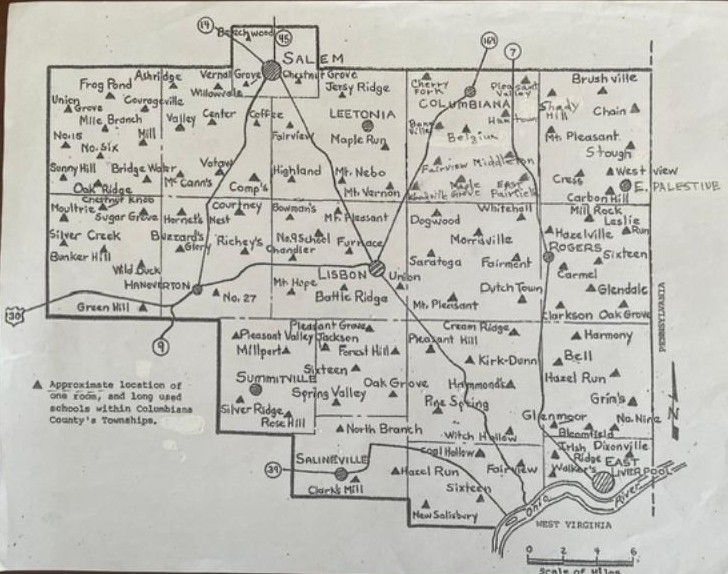
Information on specific one-room schoolhouses is available from the Lisbon Historical Society.
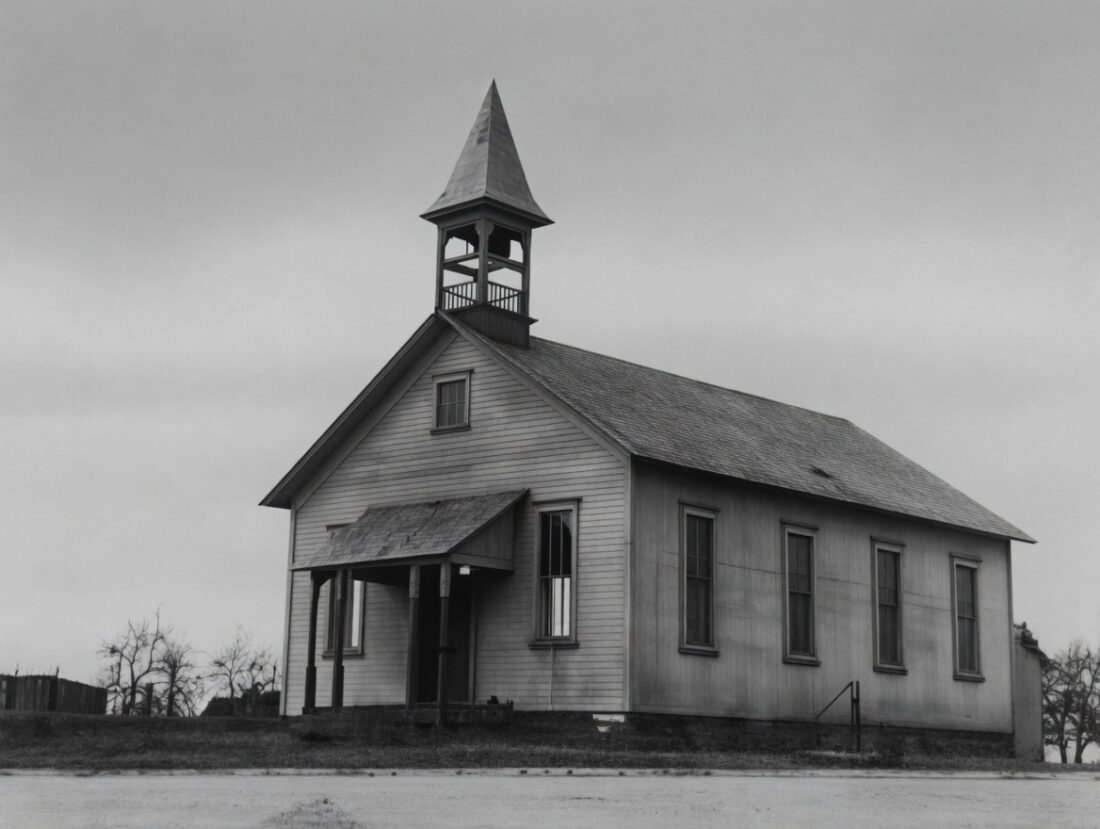
Bushville School in Unity Township
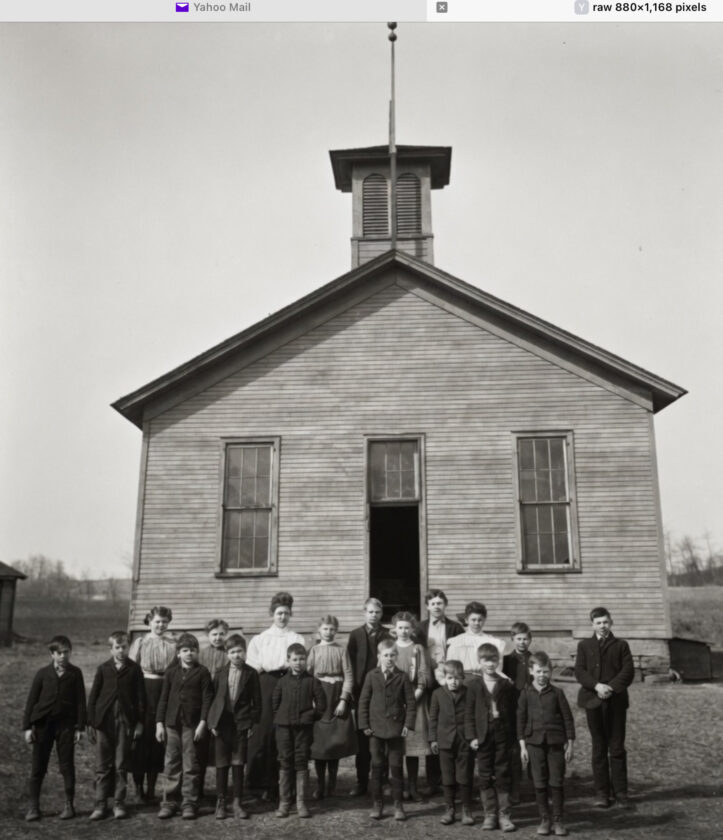
Cherry Fork School in Fairfield Township
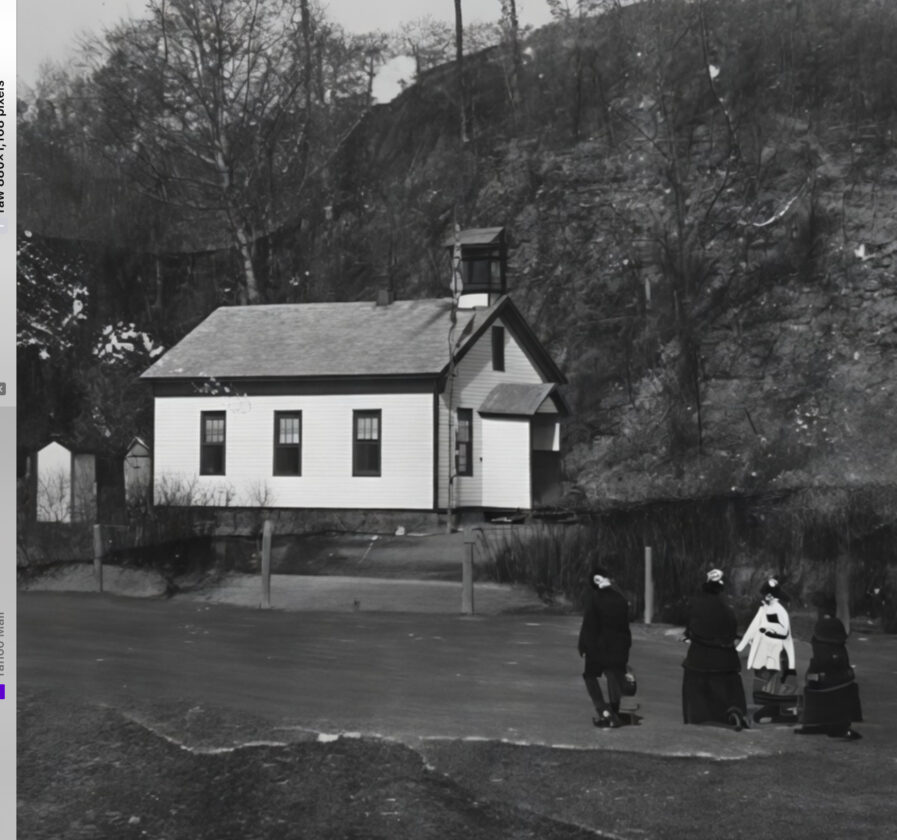
North Branch School in Washington Township
Information on specific one-room schoolhouses is available from the Lisbon Historical Society.
Bushville School in Unity Township
Cherry Fork School in Fairfield Township
North Branch School in Washington Township
Trending
One-room schools came into existence shortly after Ohio became a state. Each school district covered six or seven sections. (A standard township is divided into 36 sections with each section one mile by one mile.) Ohio had about 10,000 such schools with approximately 120 in Columbiana County alone. The Quakers often held school in their Meeting Houses rather than in separate schoolhouses.
The early schools were mostly by subscription with parents paying $1 to $3 per term per child. As a young man, William Holmes McGuffey opened one of these in Calcutta circa 1814. He went on to further his education and he and his brother developed the famous McGuffey Readers in the 1830s that were widely used for more than 100 years.
The earliest schools were primitive log cabins where the 3 Rs - readin, ritin and rithmatic - were taught. Long wooden slabs were used as desks and benches and books sometimes consisted of Bibles.
The next style of schools were wood frame buildings typically 22 feet by 30 feet with three to five windows on each side, a front entrance, a fireplace and chimney often with an iron stove for heat. Children hung their coats on wall hooks and there was a shelf to hold lunches. A blackboard was the teacher's most used teaching device. Children had individual slates. Light was provided by kerosene lamps. Some of the schools had a bell and belfry. Some schools had wells and pumps, but others got their water from nearby farms or creeks.
It wasn't until after 1880 that red brick schoolhouses were built. They were a bit larger with space for a small library and cloak rooms. The brick schools had heavy iron framed wooden desks with attached seats bolted to the floor in rows
Teachers were expected to keep schoolrooms neat and clean, keep the coal bucket full and fire going, banking it at night and taking the ashes out. They also kept attendance records and reports on the individual child's progress in each subject. A typical school day began at 8:30 or 9 a.m. with a prayer, hymn or Bible reading and the Pledge of Allegiance. There was a 20-minute recess around 10:30, lunch from noon to 1 and a break at 2:30. The school day finished at 4 p.m.
Since one teacher taught all subjects to all eight grades, it would have been a busy place. The older students reportedly helped with the younger ones. Children played hard during recess. Baseball, hide & seek, foot races, jump rope, crack the whip and jacks were mentioned as activities they enjoyed.
Attendance fluctuated in the rural schools due to the fact older children were needed to help with farm work. Spring was a busy season with plowing, planting and making hay. Fall was harvest time with all hands needed to get the crops in and food canned or preserved for the next year. Butchering began with the first cold weather. Winter had the highest attendance in the rural schools and local farmers who served on the schoolhouse boards were reported to request male teachers for the winter term to maintain firm control over the older male students even though male teachers were paid more than female teachers. Men receiving about $45 a month while women got about $30 a month. The hickory stick was wielded freely to maintain discipline.
In addition to providing education, the schoolhouses served as meeting places for a range of activities including church services, spelling bees, dances, plays, box socials, musical programs, corn shucking contests, and polling places on Election Day.
Graduation from eighth grade in rural schools was a big event. The ceremony always took place in Lisbon, the county seat. Newspaper articles listed each graduate by name and the school attended. Many children concluded their education at this time. However, after 1892, if a student wanted to attend high school and there were none in his or her district, the student could take an examination and if the score was high enough, tuition at any high school in the county would be paid by their township school board. The Boxwell-Patterson Law was used until 1914 when new legislation upgraded Ohio education laws.
This monthly column is provided by the Lisbon Historical Society. This submission was written by Mary Anne Barnhizer Creatore of the Lisbon Historical Society. Her email is mcreatore02@yahoo.com.